
Rebooting the independent grocery operating system with Brandon Hill of Vori

September 15, 2022
·
1
min read

This episode was originally posted on The Feed's podcast website.
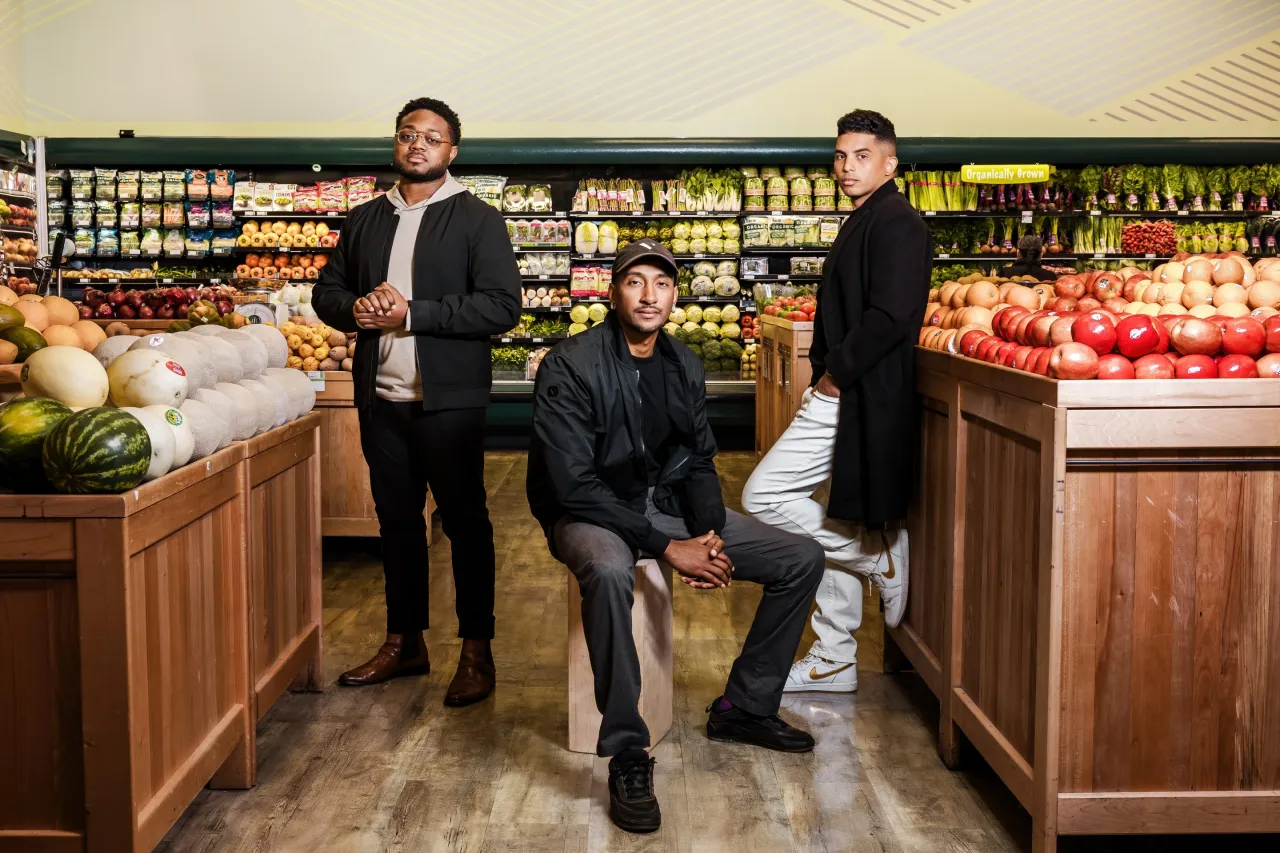
HNGRY editor, Matt Newberg, interviews Vori co-founder and CEO, Brandon Hill, to learn more about Vori, an inventory management platform optimizing the supply chain for underserved independent grocers. In this episode they chat about how Vori’s software helps reduce retailers’ food waste, manages their pricing, and brings real-time inventory to online marketplaces.
You may also like
Exclusive: AI grocery startup Vori raises $22 million to help independent retailers compete with Walmart and Amazon
Fortune covers Vori's $22M Series B to bring AI to independent grocers fighting Walmart and Amazon.
Exclusive: AI grocery startup Vori raises $22 million to help independent retailers compete with Walmart and Amazon
Fortune covers Vori's $22M Series B to bring AI to independent grocers fighting Walmart and Amazon.
In the News

Series B Memo: Building the Operating System for How America Feeds Itself
Grocery still runs on Reagan-era tech. CEO Brandon Hill's Series B memo on raising $22M to put an AI-native operating system in independent stores.
Series B Memo: Building the Operating System for How America Feeds Itself
Grocery still runs on Reagan-era tech. CEO Brandon Hill's Series B memo on raising $22M to put an AI-native operating system in independent stores.
Funding News

Vori Raises $22M to Build the Operating System for the World’s Grocery Stores
AI built for the aisles: Vori autonomously manages operations for a $1.5 trillion industry still running on technology from the Reagan administration
Vori Raises $22M to Build the Operating System for the World’s Grocery Stores
AI built for the aisles: Vori autonomously manages operations for a $1.5 trillion industry still running on technology from the Reagan administration
Press Release