Industry
Built for These Times: A Smarter Way to Run an Independent Grocery in 2026
The Reality Independent Grocers Are Facing Right Now
Running an independent grocery store has never been simple, but in 2026 the pressure feels different. Costs are changing faster, margins feel tighter, and competition from big-box retailers — large national chains with scale pricing and buying power — is more aggressive than ever. Most grocers don’t need another reminder that the business is hard, they’re living it every day, often before the doors open and long after they close.
What’s changed isn’t the work ethic or commitment of independent grocers. It’s the speed of the environment around them. Supplier costs move more frequently, pricing decisions carry more risk, and small delays can quietly eat away at margin. What used to be manageable with periodic reviews now demands constant attention, even as teams remain lean and time is more limited than ever.
Margin Pressure Is No Longer Occasional — It’s Constant
Margin pressure has become the defining challenge for independent grocers. Tariffs, freight costs, and supplier fluctuations can hit with little warning, and those increases don’t always show up neatly or clearly. When price updates lag behind cost changes, margin doesn’t disappear all at once — it slips away gradually, item by item.
Most of the time, this isn’t caused by bad decisions. It’s caused by systems that were never designed to watch margin continuously or act the moment something changes. In a world where prices move weekly or even daily, relying on manual reviews and disconnected tools leaves too much room for risk.
For many independent grocers, even a one-point margin swing can mean tens of thousands of dollars over the course of a year. That’s why speed now matters as much as strategy.
This is also where the gap between independent grocers and big-box competitors becomes more visible. Large chains can dedicate teams to pricing and analytics. Independent grocers need systems that do that work for them — automatically and reliably.
Competing With Big-Box Retailers Requires Better Execution, Not Bigger Scale
Independent grocers don’t win by trying to outspend big boxes. They win by executing better. That means knowing their customers, keeping shelves right, pricing accurately, and responding quickly to change.
But execution only works when the systems behind the scenes support it. When pricing, ordering, receiving, and loyalty live in separate tools, teams spend too much time reconciling data instead of acting on it. Speed slows down. Errors creep in. And opportunities get missed.
<div class="r-quote-block"><span class="r-quote">If the price goes up and down, Vori tells me, ‘You’re losing on that — you need to change the price.’ It gives me a trigger according to my set target.</span><span class="r-quote-author">Navi</span><span class="r-quote-author-title">Owner, The Market at Edgewood</span></div>
Doing More With Less Isn’t a Strategy — It’s the Job
For most independent grocers, “doing more with less” isn’t aspirational language. It’s daily reality. Teams are small, owners wear multiple hats, and there’s rarely extra labor to spare. Yet expectations haven’t changed. Shelves still need to stay full, prices need to be accurate, and customers expect a smooth experience every time they walk through the door.
The real challenge isn’t effort — it’s friction. Too much time is still spent on repetitive, manual work: reviewing invoices, updating prices, chasing down discrepancies, and managing systems that don’t talk to each other. That work doesn’t make the store better, but it takes time away from the floor and from customers.
Efficiency in 2026 isn’t about cutting corners. It’s about eliminating unnecessary work.
Where Technology (and AI) Actually Help
Technology should remove friction, not add to it. The right systems quietly handle the work that used to take hours: catching cost changes automatically, flagging margin risk before it shows up on the P&L, and syncing prices across checkout and the shelf without manual effort.
AI plays a role here, but not in the way it’s often talked about. For independent grocers, AI should feel like a second set of eyes — watching for changes, surfacing what matters, and helping small teams operate with confidence. It shouldn’t replace people or force new workflows. It should back up experienced grocers and help them move faster with less stress.
<div class="r-quote-block"><span class="r-quote">So much of my time used to be spent maintaining software instead of running the store. With Vori, I don’t have to be the IT guy anymore.</span><span class="r-quote-author">Victor Limary</span><span class="r-quote-author-title">Owner, Talin Market</span></div>
What Being “Built for the Times” Looks Like in Real Stores
Technology should remove friction, not add to it. The right systems quietly handle the work that used to take hours: catching cost changes automatically, flagging margin risk before it shows up on the P&L, and syncing prices across checkout and the shelf without manual effort.
This shift isn’t theoretical. It’s already happening in independent grocery stores across the country.
Faster Decisions at Valley Farm Market
At Valley Farm Market, a multi-location independent grocer, moving to a connected grocery system helped the team respond faster to pricing changes while strengthening customer loyalty. With pricing, POS, and loyalty working together, the team saw meaningful gains in sales and engagement — while also reclaiming dozens of hours each week that had previously gone into manual back-office work.
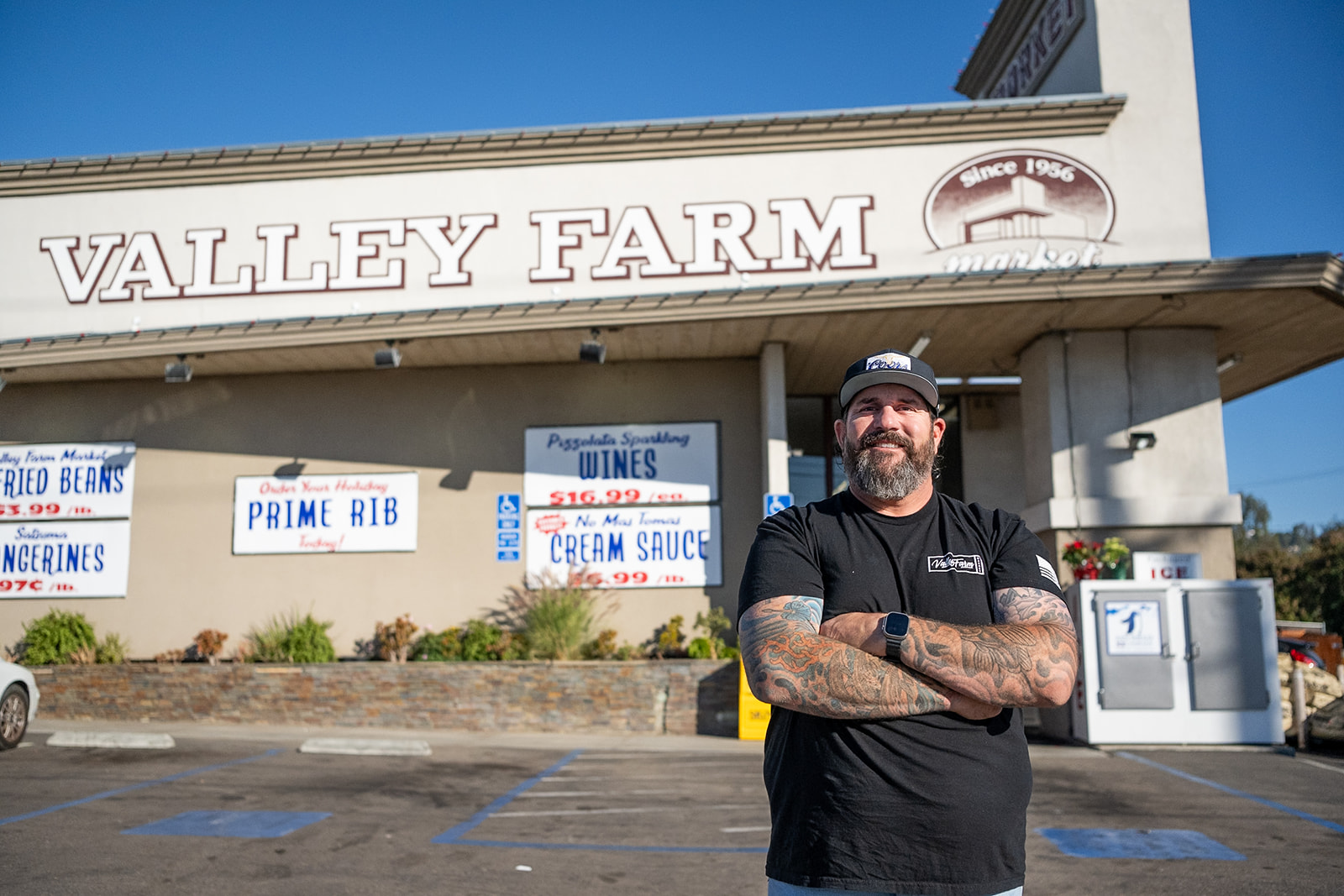
<div class="r-quote-block"><span class="r-quote">When you see something, you can pivot. And with Vori, we can pivot fast.</span><span class="r-quote-author">Derek Marso</span><span class="r-quote-author-title">Owner, Valley Farm Market in Spring Valley, California</span></div>
Margin Simplicity at The Willows Market
At The Willows Market, modernizing operations led to larger baskets, more frequent visits, and stronger margin control. Pricing decisions became easier to execute, checkout ran smoother, and loyalty finally became a growth driver instead of a side project.
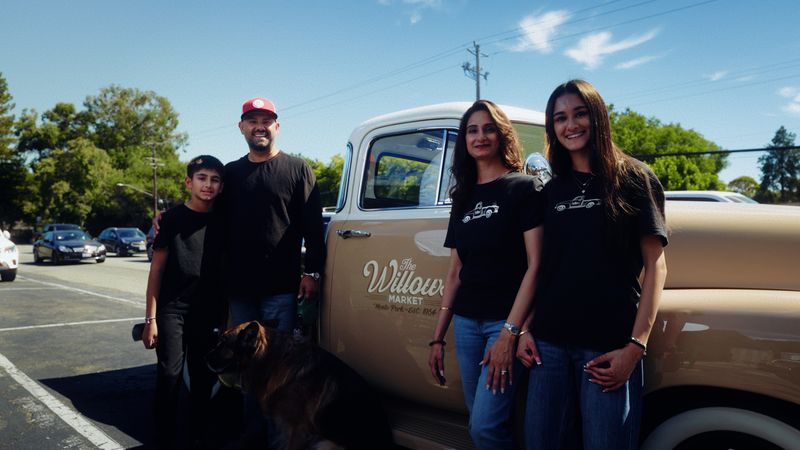
<div class="r-quote-block"><span class="r-quote">Protecting margin is the most basic function of a grocery store — and with Vori, it finally became simple.</span><span class="r-quote-author">Nick Sharma</span><span class="r-quote-author-title">Owner, The Willows Market in Menlo Park, California</span></div>
Operational Freedom at Talin Market
At Talin Market in Albuquerque — one of the country’s largest international grocers — replacing fragmented legacy systems with one unified platform transformed daily operations. Receiving, ordering, and pricing tasks that once consumed hours now take minutes. The team launched a loyalty program that reflects the store’s identity and saw significant lifts in sales and customer engagement — all while freeing time to focus on the community experience that defines the store.
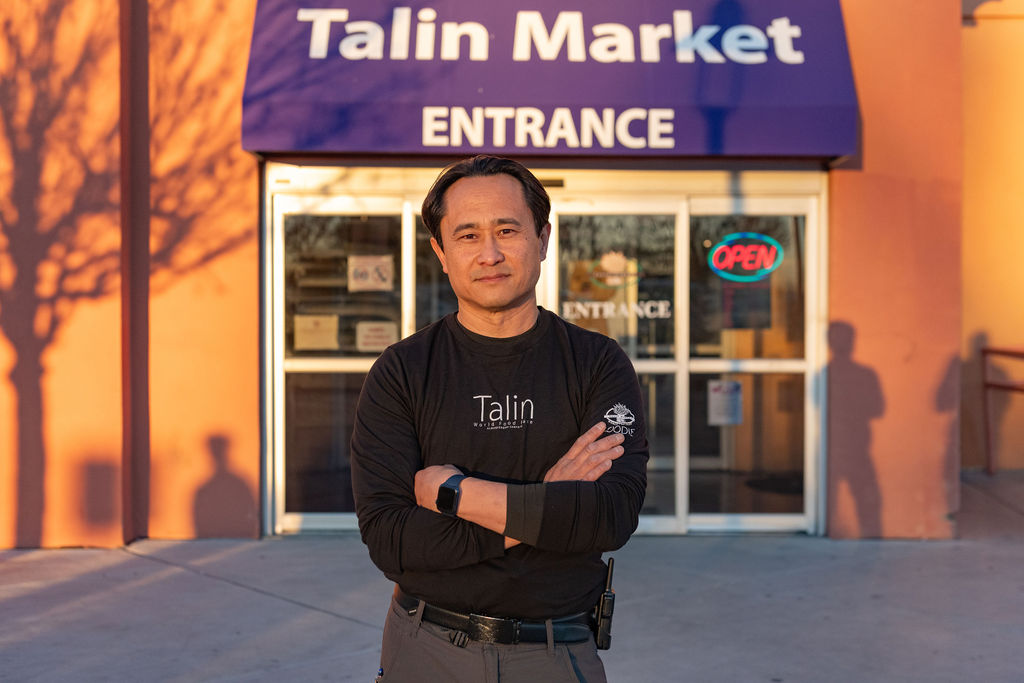
<div class="r-quote-block"><span class="r-quote">We are almost a year into using Vori, and I cannot imagine ever going back the other way.</span><span class="r-quote-author">Victor Limary</span><span class="r-quote-author-title">Director of Operations, Talin Market in Albuquerque, NM</span></div>
Why This Matters Heading Into 2026
These outcomes matter because the challenges independent grocers face aren’t temporary. Margin pressure, cost volatility, and competition aren’t going away. What can change is how prepared stores are to deal with them.
When systems are built for grocery — and designed to work together — grocers gain speed, clarity, and control. Teams spend less time fixing problems and more time running strong stores. Owners regain hours in their day. Margins are protected by design, not by constant vigilance.
Built for What Comes Next
Independent grocers have always had grit. What’s changed is the game around them. In 2026, winning isn’t about working longer hours or juggling more tools. It’s about having systems — and partners — that understand the realities of grocery and help stores stay ahead of change.
The stores that win in the next decade won’t be the biggest. They’ll be the ones built to adapt fastest.
That’s what it means to be built for these times.
Frequently asked questions