
The Difference Between a Grocery POS System and a Retail POS System

Jesse Lopez
Head of Marketing
·
June 1, 2026
·
6
min read
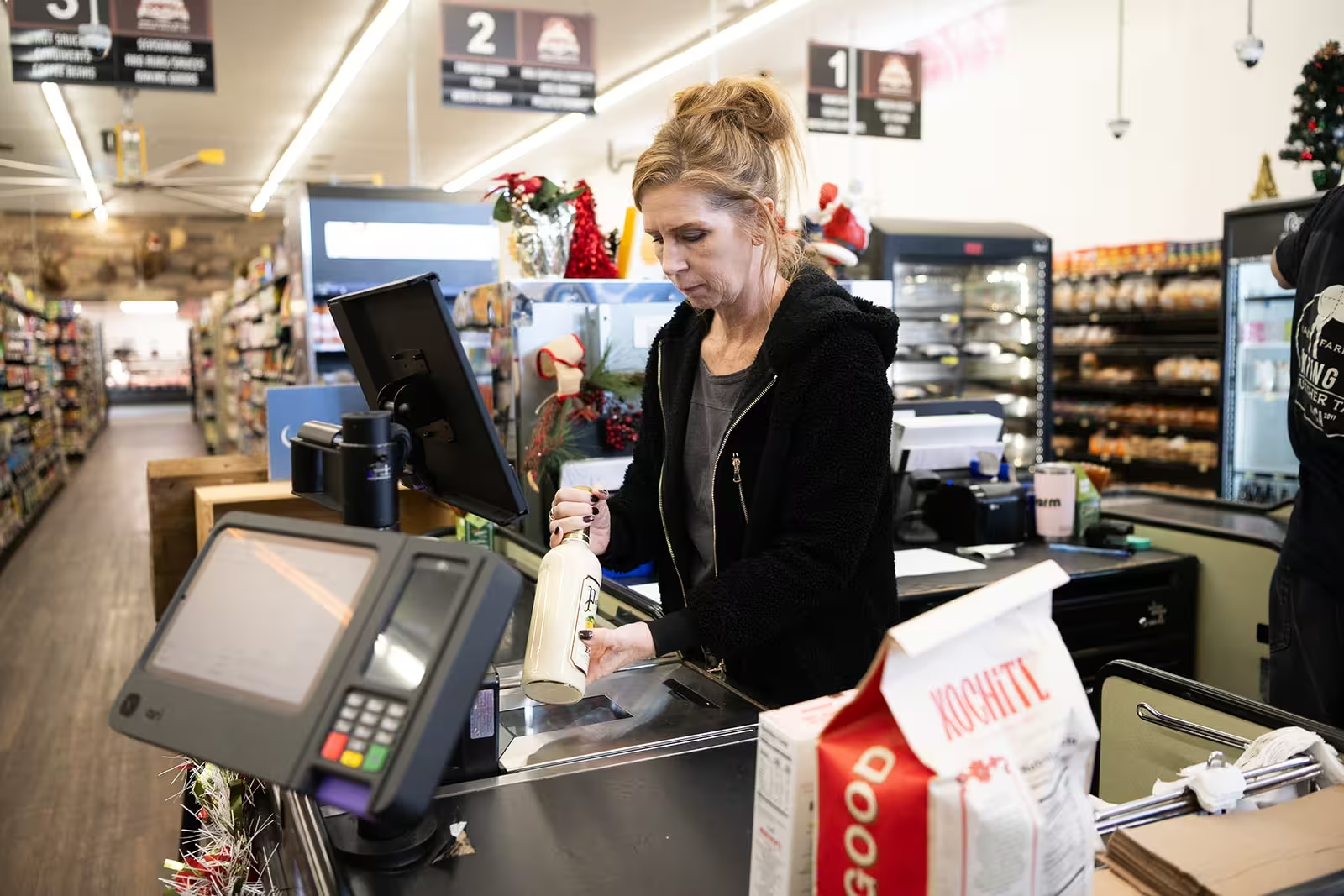
Choosing the right grocery POS system is one of the most important technology decisions an independent grocer will make. Checkout speed, pricing accuracy, reporting, and shopper engagement all depend on the system running behind the register. For independent grocers, the wrong system can introduce complexity into everyday operations and make it harder to stay competitive.
Many grocery stores still run on a retail POS system that was originally designed for general retail environments like clothing stores or specialty shops. These systems are designed to scan packaged items and process simple transactions, but grocery stores operate differently. They process high transaction volume, support EBT payments, weigh produce and deli items, and rely on promotions and loyalty programs to keep shoppers coming back.
A modern grocery POS system is designed to support these realities. This guide explains the key differences between a grocery store POS and a traditional retail POS system, and why choosing technology built specifically for grocery operations matters for independent grocers.
What Makes Them Different?
At a basic level, both grocery and retail POS platforms process transactions and track inventory. The differences become clear when you look at the operational needs of a grocery store.
A retail POS system is typically designed for businesses that sell packaged goods with stable pricing and lower transaction volume. Products are scanned, payments are processed, and inventory counts are updated. A grocery POS system, however, must support a broader set of workflows.
Grocery stores sell items priced by weight, accept EBT and SNAP payments, and rely on deli scale integration for departments like produce and deli. They also process hundreds or thousands of transactions each day. Grocery stores also depend heavily on promotions and rewards to attract shoppers and grow basket sizes. Many independent grocers run weekly promotions, loyalty rewards, and targeted discounts to compete with national chains. A POS system for grocery stores must support these promotional workflows directly within the platform.
Essential Grocery POS Features That Retail Systems Don't Offer
Several capabilities distinguish a grocery POS system from a traditional retail POS system. Grocery stores require payment processing that supports government food programs, integration with scales for weight-based items, and tools that help manage high transaction volume at checkout.
Grocery stores also rely on promotions and rewards to build shopper loyalty and encourage repeat visits. A modern grocery store POS should make it easy to run digital coupons, basket-based promotions, and loyalty rewards without relying on multiple disconnected systems.
Platforms like Vori combine these capabilities into a single operating system. The platform includes fast dual-sided checkout lanes, pricing automation with electronic shelf labels, supplier-connected ordering tools, and built-in shopper engagement features designed specifically for grocery stores.
EBT and Food Assistance Payment Processing
Supporting EBT payments is essential for many grocery stores. Programs such as SNAP and eWIC allow shoppers to purchase groceries using government assistance benefits. These programs help ensure food access within communities and represent a significant share of transactions for many independent grocers.
A grocery store POS must support these payment types reliably at checkout. Retail POS systems often require additional integrations to process EBT transactions, and some platforms do not support them at all. Modern grocery platforms process EBT alongside other payment methods, including chip cards, contactless payments, debit cards, and gift cards.
Deli Scale Integration and Weight-Based Pricing
Many grocery items are priced by weight rather than by unit. Produce, deli meats, seafood, and bulk foods must be weighed and priced accurately before reaching the checkout lane.
A grocery POS system must support deli scale integration and scanner scales used at checkout. These devices generate barcodes that contain weight and pricing information so items can be scanned quickly at the register. Retail POS systems rarely support this workflow natively.
Without scale integration, stores must rely on manual entry or disconnected systems that slow down checkout and introduce pricing errors. A purpose-built POS system for grocery stores connects checkout lanes with labeling scales used in deli and prepared-food departments, ensuring that weight-based items ring up correctly every time.
Grocery Promotions and Loyalty Programs
Promotions and rewards play a major role in how grocery stores attract shoppers and grow basket sizes. Independent grocers often compete with national chains by offering personalized deals, loyalty rewards, and targeted promotions that encourage shoppers to return regularly.
A modern grocery POS system can support these strategies directly through built-in shopper engagement tools. Stores can run digital coupons, mix-and-match promotions, spend-based discounts, basket-based offers, and loyalty rewards that apply automatically at checkout. Some systems also support BOGO offers, category discounts, and product-level promotions that highlight weekly specials or move specific items.
These promotional tools help grocers highlight weekly deals, move products across departments, and reward frequent shoppers. For example, stores may run promotions that encourage shoppers to spend a certain amount, combine products from multiple categories, or redeem loyalty points for discounts on future visits. When promotions and loyalty programs are integrated directly into the grocery store POS, stores can track campaign performance, monitor redemption rates, and adjust promotions based on shopper behavior.
This allows independent grocers to run more targeted promotions and compete more effectively with larger chains.
Why Legacy Retail POS Systems Hold Grocery Stores Back
Many independent grocers still rely on older retail POS systems that were installed years ago. These platforms often depend on on-premise servers and outdated software that requires manual maintenance.
Legacy systems can slow down operations during busy periods, especially if checkout lanes experience technical issues. During busy periods, this can quickly create long lines and frustrated shoppers. Implementation is another challenge.
Installing a legacy POS system can take months and often requires extensive configuration and training. This process can overwhelm store teams and interrupt normal operations. Modern grocery technology is designed to simplify this process, and systems like Vori allow stores to go live in weeks rather than months with workflows built specifically for grocery operations.
Slow Implementation and Complex Training Requirements
Traditional POS installations often involve long setup timelines. Stores must migrate product data, configure departments, install hardware, and train staff on unfamiliar workflows.
Training becomes even more difficult when the system was not designed around grocery operations. Cashiers and managers must learn processes that do not match the pace of grocery checkout.
Modern grocery platforms aim to reduce this friction. With Vori, most stores can go live within weeks. The onboarding process includes importing product data, mapping departments, configuring checkout lanes, and training staff so the team can begin using the system quickly.
Hidden Costs and Support Delays
Legacy POS systems often come with high licensing fees per checkout lane and additional costs for features such as loyalty programs or reporting.
Many stores also operate multiple disconnected systems, using one platform for POS, another for back-office reporting, and a third tool for loyalty programs. This fragmented approach creates extra work and makes it harder to maintain consistent data across the store.
Modern grocery platforms bring these capabilities together into one system. POS, loyalty programs, promotions, and reporting operate on a single platform, allowing grocers to manage operations more efficiently.
Cloud-Based Technology and Margin Protection for Independent Grocers
Cloud-based technology allows grocery store owners and managers to access reports, pricing tools, and operational data from any internet-connected device. This flexibility allows independent grocers to monitor store performance even when they are not physically at the store.
Modern grocery systems also include tools designed to protect margins. Supplier costs change frequently, and pricing mismatches can quickly reduce profitability.
Platforms like Vori provide alerts when wholesale costs change and help stores update prices across checkout lanes and shelf tags. Integration with electronic shelf labels and mobile tag printers ensures that shelf pricing matches register pricing throughout the store.
See How Vori Operating System Helps Independent Grocers Compete and Grow
The Vori Operating System brings together the tools grocery stores need to run efficiently in one connected platform.
Vori combines POS, payment processing, hardware, pricing automation, supplier ordering, shopper engagement, and reporting in one connected grocery operating system. Stores can process transactions with fast dual-sided checkout lanes, enroll shoppers in loyalty programs using phone numbers, and send targeted SMS promotions that encourage repeat visits.
Built-in promotional tools allow grocers to run digital coupons, rewards programs, and personalized offers that increase basket size and keep shoppers coming back.
Request a demo to see how quickly your store can modernize its technology and compete more effectively with larger grocery chains.
FAQs
Everything you need to know about Vori. Can’t find the answer you’re looking for? Please chat to our friendly team.
You may also like
.jpeg)
AI in grocery: 70% are planning for it, 13% are using it
What 53 independent grocery operators told us about where AI should help, what's holding them back, and what the early adopters gained.
AI in grocery: 70% are planning for it, 13% are using it
What 53 independent grocery operators told us about where AI should help, what's holding them back, and what the early adopters gained.
Benchmark Report

Introducing Chip: the virtual employee built for independent grocers
Every Vori store now has a virtual employee. Chip plans promotions, catches cost changes, designs tags, and sets up your store.
Introducing Chip: the virtual employee built for independent grocers
Every Vori store now has a virtual employee. Chip plans promotions, catches cost changes, designs tags, and sets up your store.
Product Update