

How Asian Family Market built 30K+ loyalty members across 29 lanes
Vori
•
September 30, 2026

Asian Family Market
Bellevue, WA
3 stores, 29 lanes
Asian Family Market is using VoriOS with Marketing & Loyalty tools.
Bottom Line

"I was searching the market for almost 10 years. Vori is the only software I've seen that was worth the jump. It's literally a dream come true."
By switching from NCR and LOC to Vori:
- 50%+ of net sales from loyalty members
- 30K+ shoppers enrolled in rewards
- +25% basket lift among loyalty members
- +30% more store visits from loyalty members
- -50% less time spent on invoice reconciliation
Overview
Asian Family Market (AFM) started in 2007 as one small store on Seattle’s east side. Its founder, Ken, had moved to the U.S. at 18 and was working at QFC when he noticed a gap. The east side had strong Asian and Indian communities, but almost nowhere to buy the food they grew up with. At 21, he opened a store to fill it.
The first three months nearly put AFM out of business. Ken held on, and the store found its footing by carrying what no one else would. A second location opened in Beaverton in 2013, Seattle followed in 2015, and Bellevue expanded in 2017. In 2026, AFM opened its Tukwila flagship, pairing the market with an Asian Street Food concept.
For years, AFM was the only Asian specialty grocer on the east side, and the closest alternative was a 30-minute drive. Chef Kenji López-Alt has called it his favorite Asian grocery store in Seattle. The reputation comes from a philosophy General Manager Maddox Cheung describes as being “the bridge for the community.” AFM doesn’t cut slow SKUs by formula. If one regular keeps coming back for an item, it stays on the shelf.
That customer-first mindset built four stores. But behind the counter, the systems running them weren’t keeping up.
Challenge
A front end that ran on phone calls
AFM ran every store on a patchwork of NCR hardware, LOC software, and a stack of Excel sheets. The NCR registers froze on Windows blue screens, receipt printers quit mid-shift, and card processing would drop without warning. Cashiers complained the lanes were slow. Every problem ended up as a call to Maddox, who then had to call LOC, NCR, and Chase to work out whether the cause was the network, the bank, or the machine itself. The calls came even when he was on vacation.
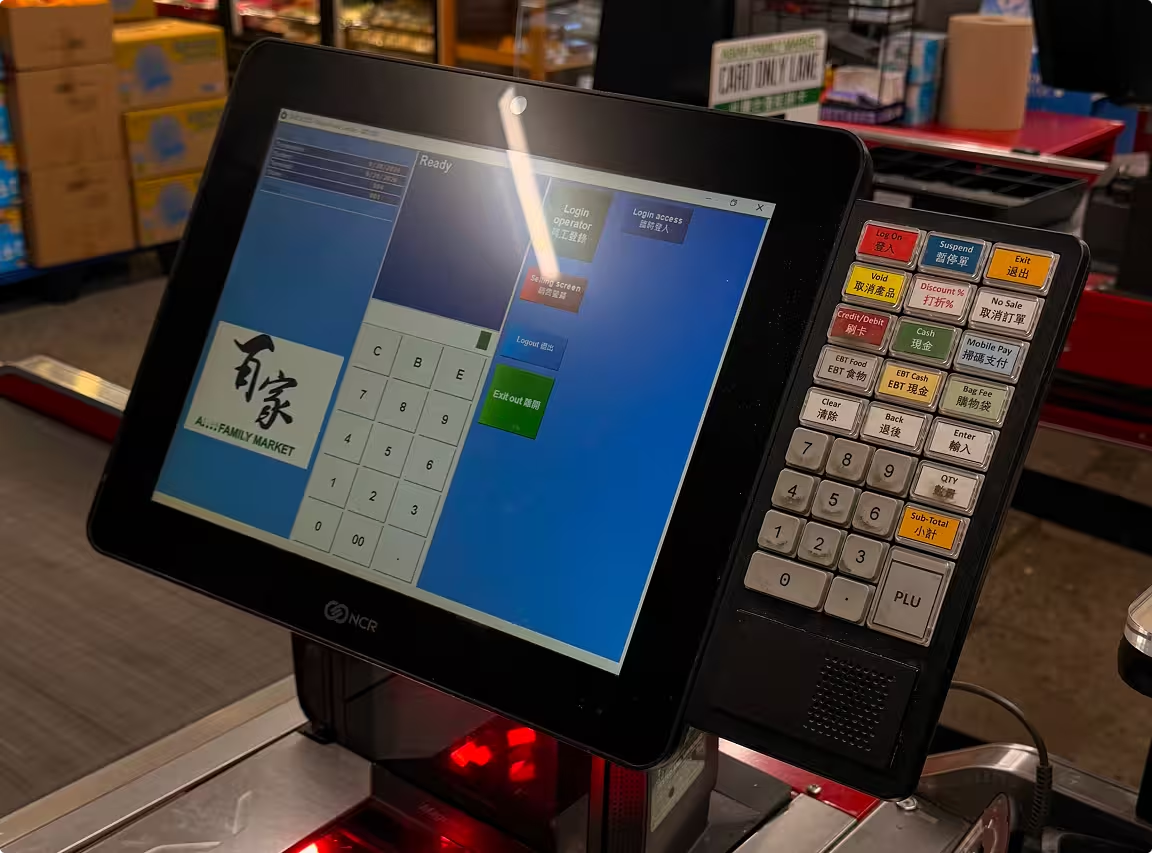
"Before Vori, all the stores kept calling me about front-end issues like frozen registers and card outages. Even on vacation, I had to call Chase and LOC to figure out what was down."
A system built for dealers and IT departments
LOC can do a lot, but its model assumes resources most independents don’t have. Maddox watched a nearby grocer spend a million dollars on a dealer-led LOC implementation, then staff a five-person IT team to keep it running. AFM had neither the budget nor the headcount for that. So the store worked around the system instead of with it.
"LOC is a powerful tool, but their dealer-led model just isn't designed for independent stores. We don't have the budget or the IT team to support that."
Manual work in the back, guesswork everywhere else
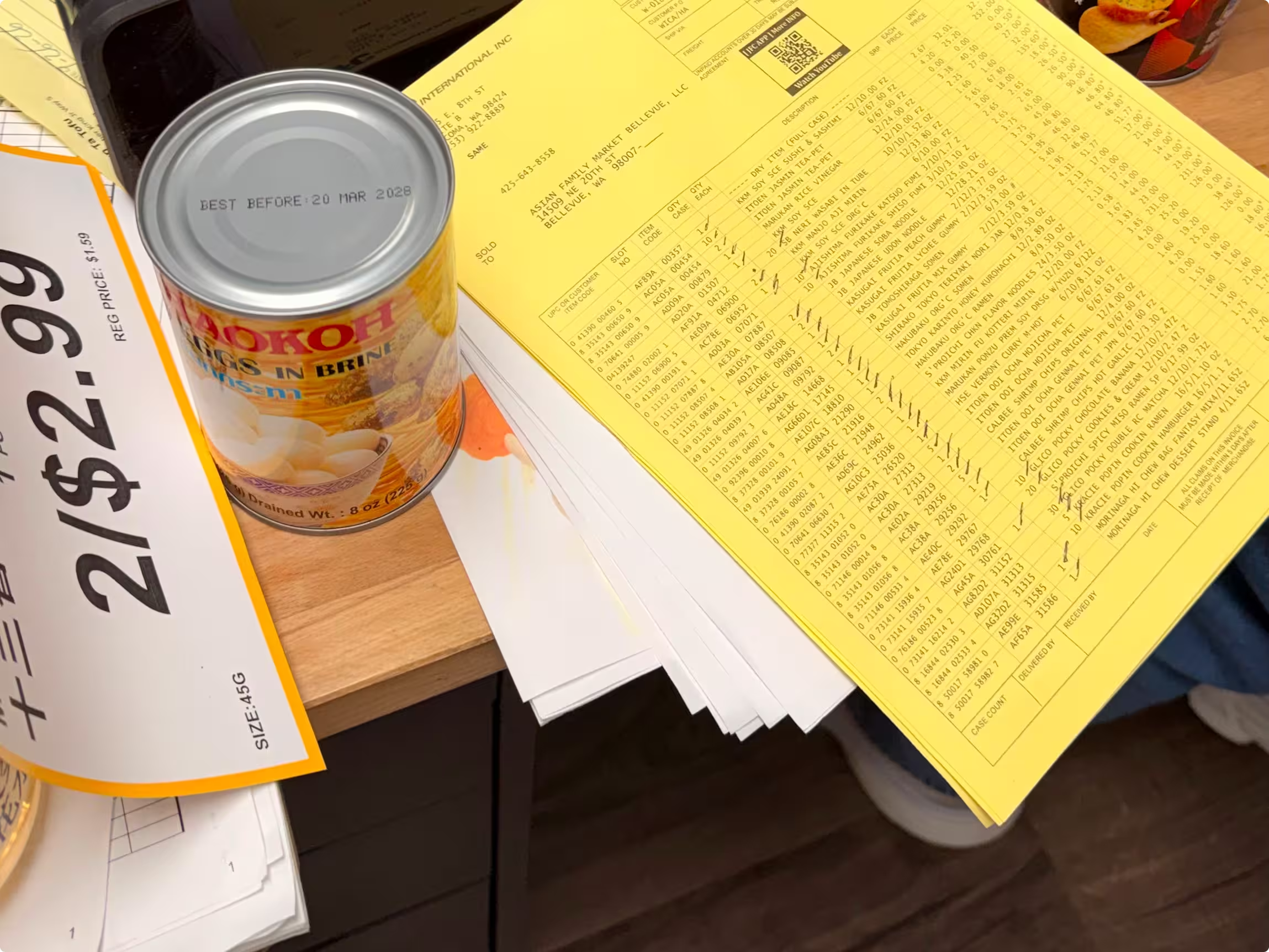
In the back office, each department had one person reconciling invoices eight hours a day, six days a week, crossing every line by hand. That left little time to think about pricing. Inventory had been tracked on paper for all 19 years AFM had been open. And with no loyalty program, the team’s picture of its shoppers came from managers’ instincts rather than data.
Maddox had been looking for a way out since he joined in 2015. Over ten years he sat through demos from NCR, IT Retail, and others. Each one looked like another version of what AFM already had: basic POS, hard to navigate, and nothing that would move the store forward.
Solution
Switching from NCR and LOC after 10 years of searching
Vori’s CEO, Brandon, reached out to Maddox on LinkedIn. After a decade of demos, Vori was the first system that put checkout, AI invoicing, loyalty, and marketing in one place, built for how an independent grocer actually runs and priced for one. Maddox now describes the switch as a dream come true.
AFM replaced NCR and LOC one store at a time:
- Beaverton: 5 lanes, live August 2025
- Tukwila: 11 lanes, live April 2026
- Bellevue: 13 lanes, live September 2026
- Seattle: 10 lanes, going live November 2026
Each rollout built on the last, with the same workflows, the same reports, and the same loyalty
Keeping lanes up and training cashiers fast
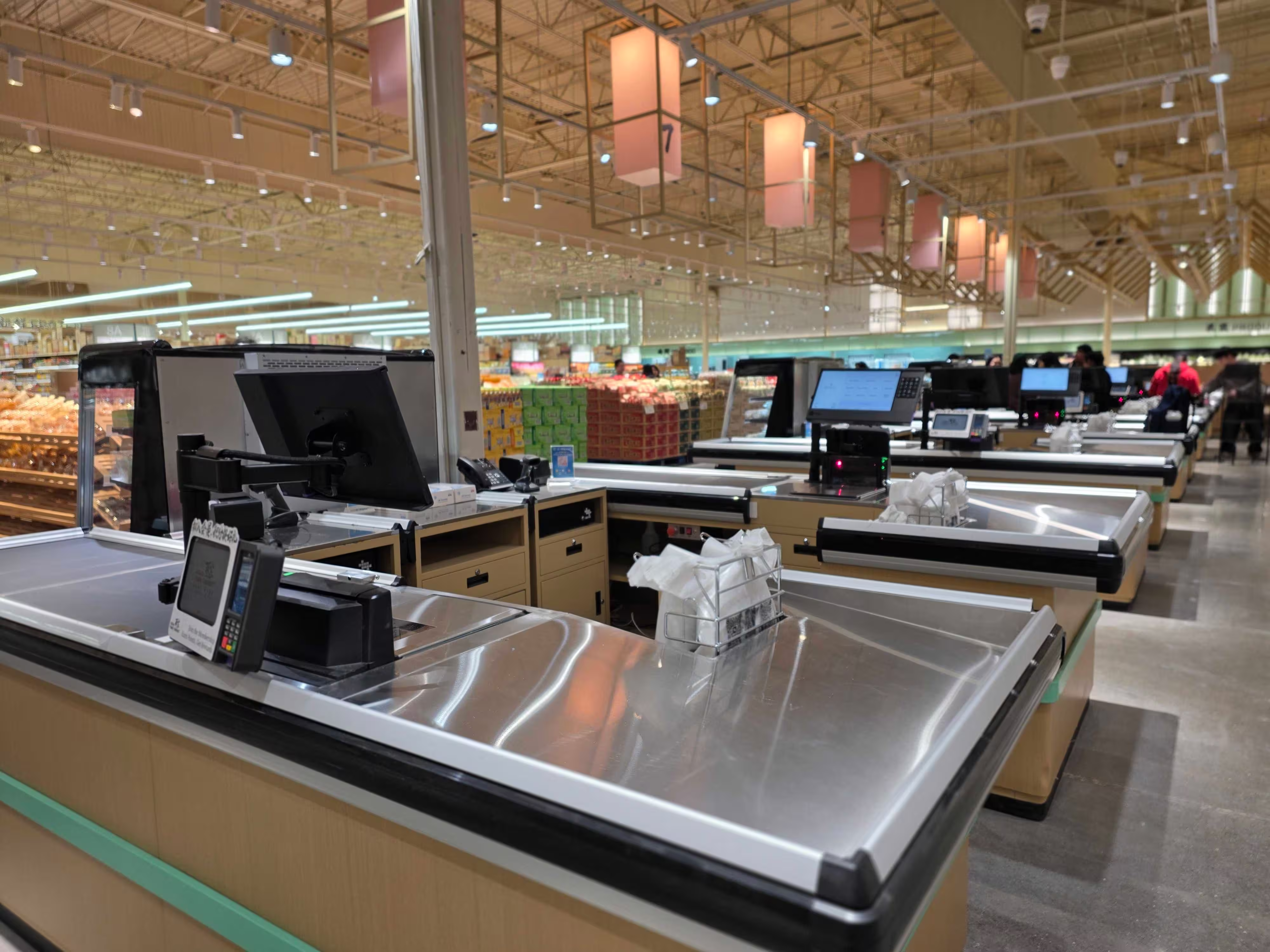
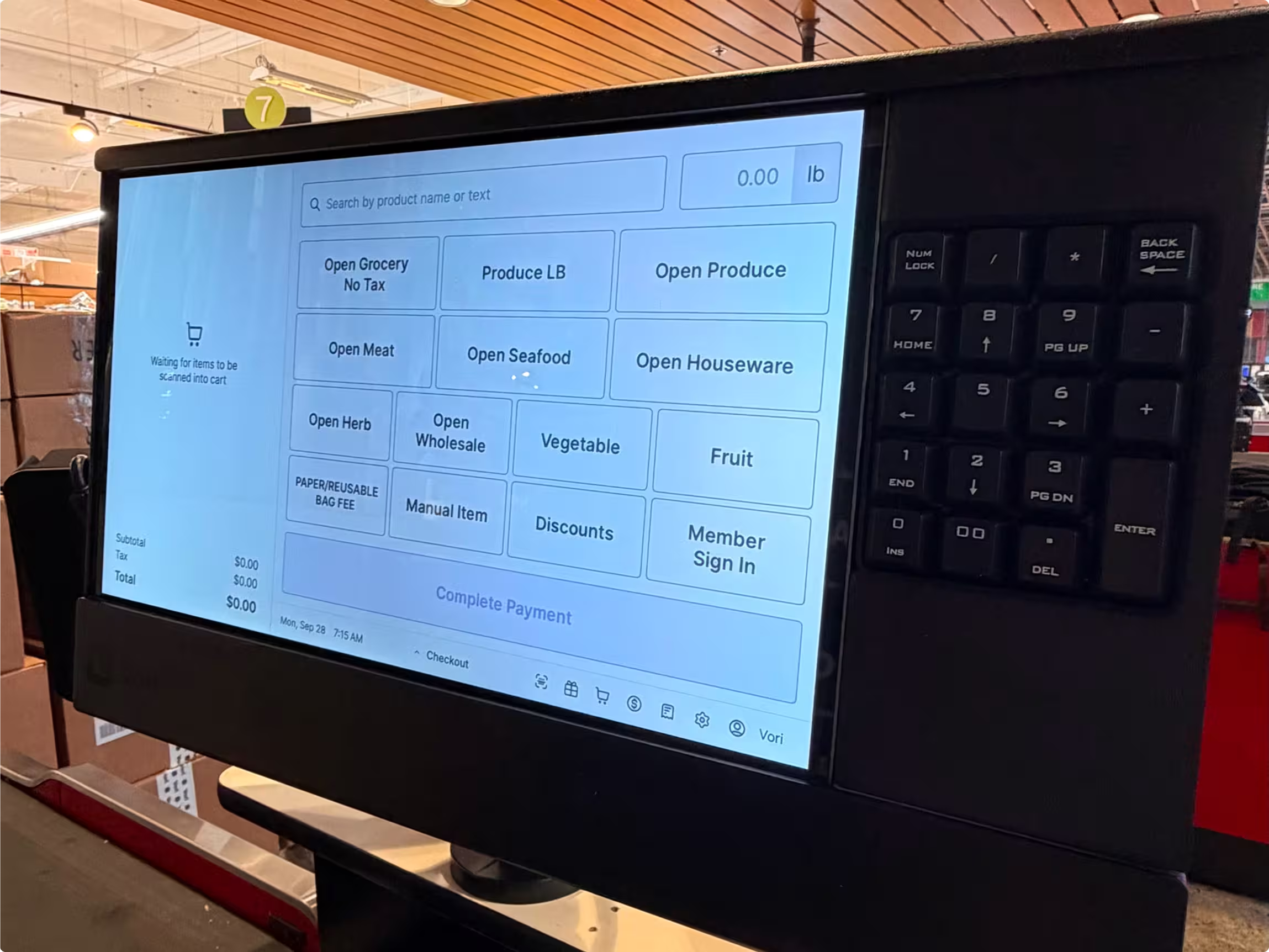
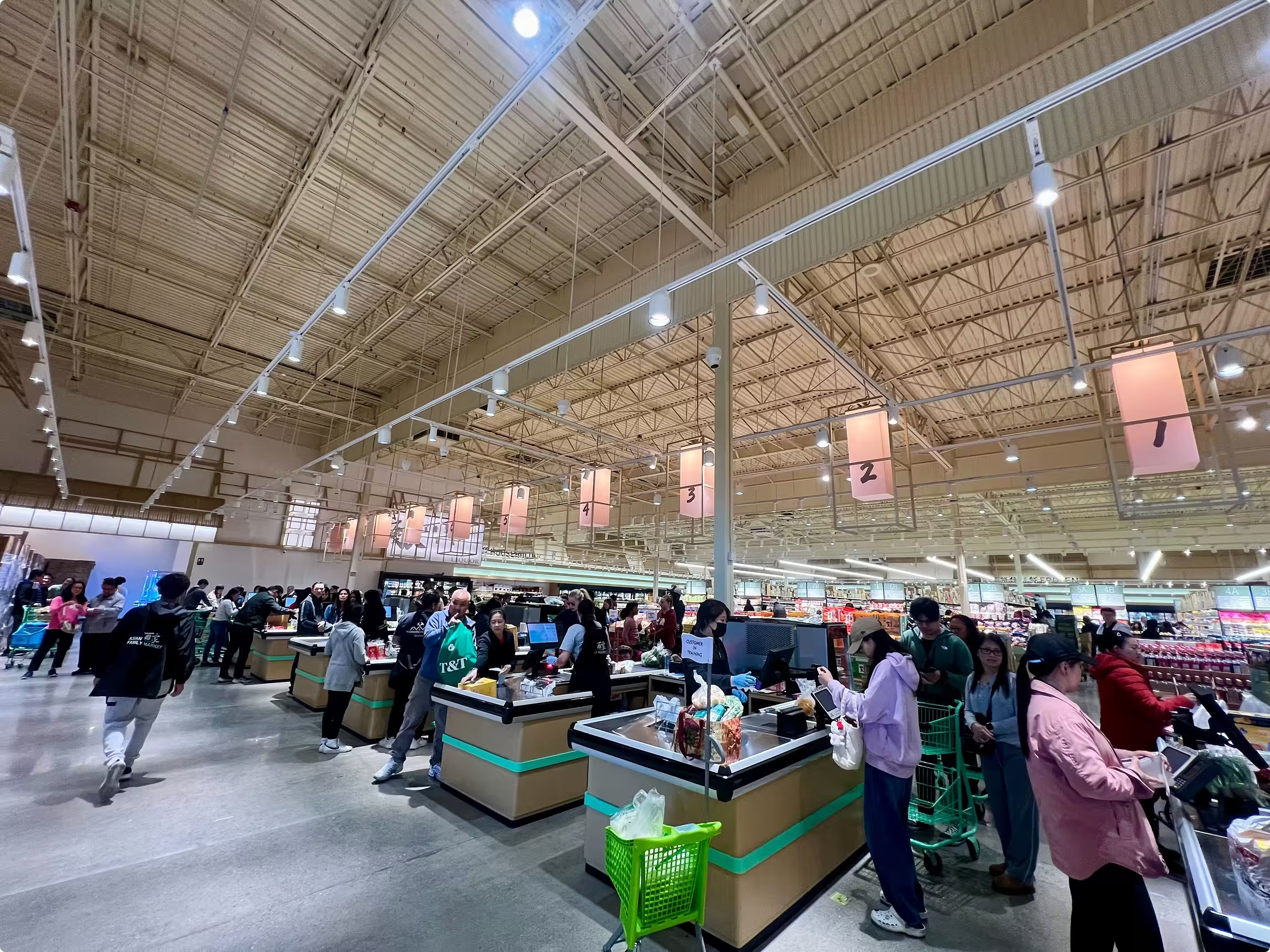
Vori’s registers keep lanes moving through the rush without the constant reboots, and the troubleshooting calls to Maddox have stopped. Training went just as smoothly. When AFM brought Vori to Beaverton, Maddox trained the full cashier team in the 30 minutes before the doors opened, and they were ringing shoppers that same morning. In a tight labor market, a system new staff learn in minutes matters.
Cutting invoice time in half with AI
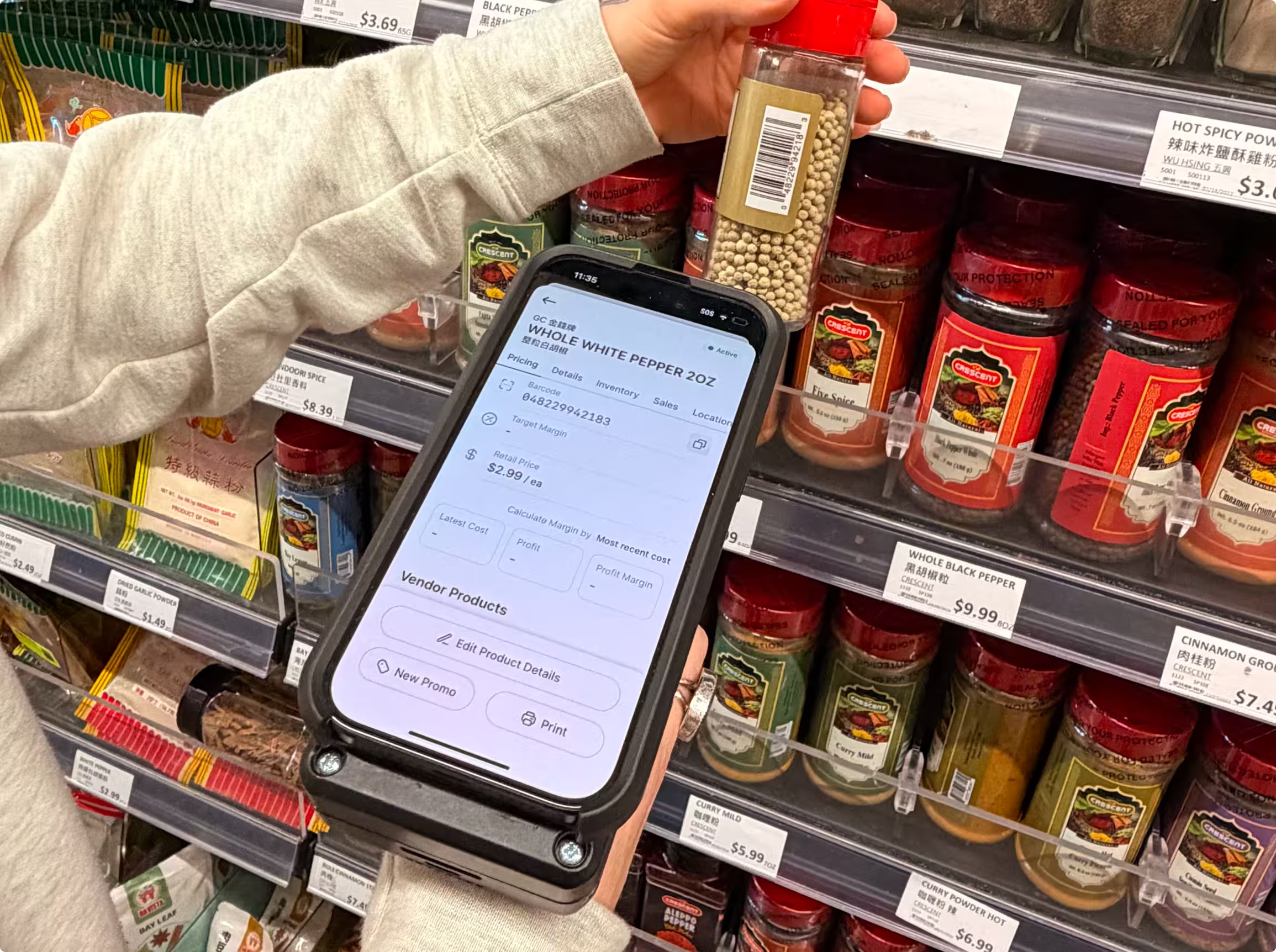
AI smart invoicing was Maddox's top priority going in. Vori reads each invoice, compares costs to what's in the system, and flags what changed, so the team no longer checks every line by hand. When a vendor cost moves, the pricing team sees the margin impact right away and picks from recommended retail prices, and the new price syncs to the registers. From there, they can print updated shelf tags in a few clicks, so the price on the shelf matches the price at checkout.
"Before, one person per department spent eight hours a day, six days a week, crossing every invoice line by line. Now it's about half that. They're still doing the same job, but they spend the extra time on promotions and markdowns instead"
Turning 30,000 shoppers into loyal regulars
Maddox runs AFM's loyalty program himself, and he kept it simple: always-on rewards shoppers can count on, like 1,000 points for $10 off. When the team dug into the data, green onions came up as the store's best seller, which reminded Maddox of shopping with his mother in Hong Kong.
A free bunch of green onions became a signature reward. Launch banners at the register drove sign-ups fast, and shoppers enroll with a phone number at checkout. AFM now has more than 30,000 members, and more than half of net sales come from loyalty members.
Members also spend more and come back more often. Their baskets are about 25% bigger, and they visit the store about 30% more often than before they joined.
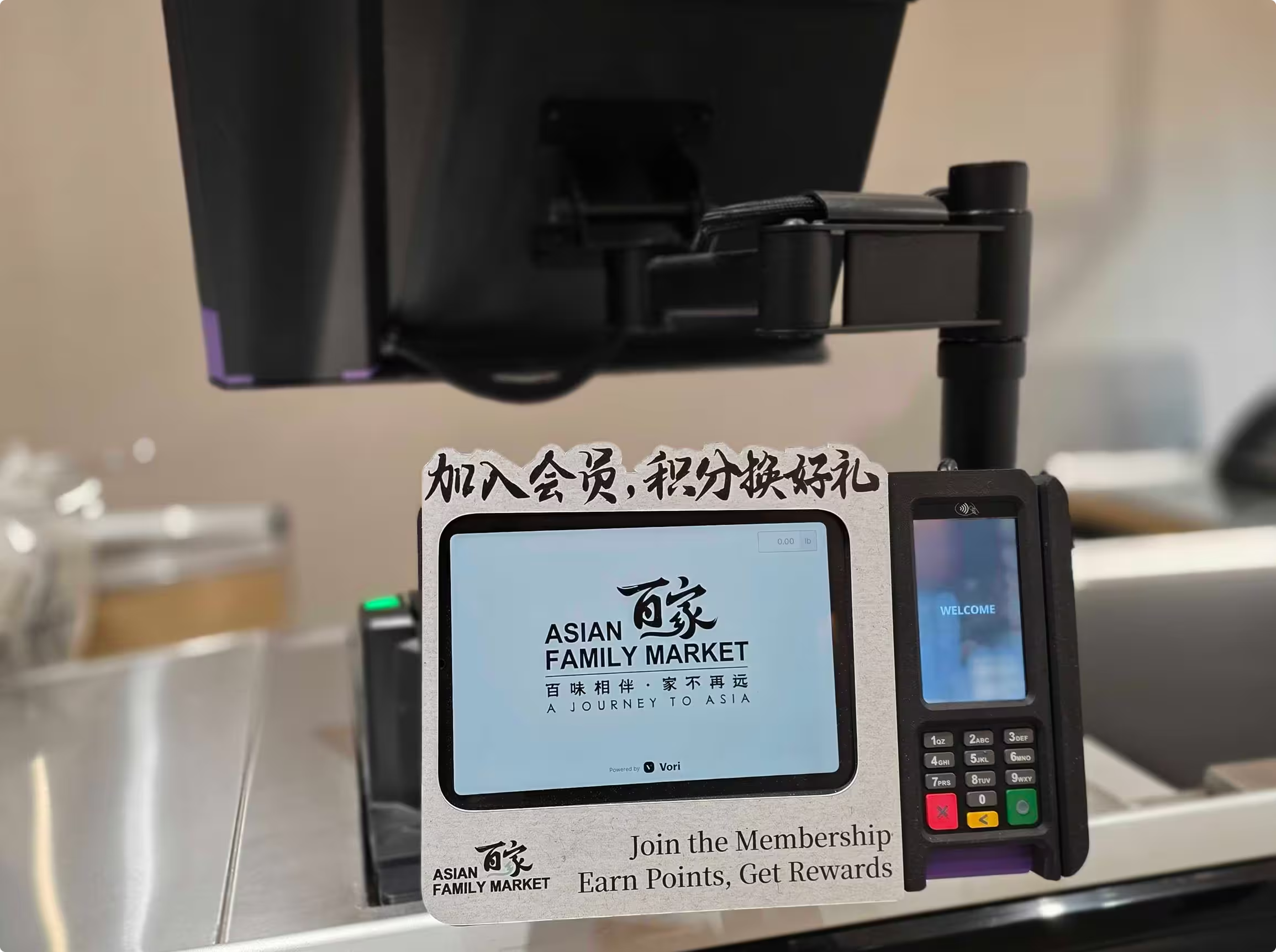
"Growing up in Hong Kong, the aunties at the market always gave you a free bunch of green onions. It's a sweet gesture, a very AFM thing. And you're always going to need it."
Bringing shoppers back with texts and offers
Maddox sends AFM’s weekly circular by text because it reaches shoppers faster than email. When he turned on a comeback offer for lapsed shoppers at Tukwila, 47 came back to redeem it within days.
"I turned on the comeback offer for shoppers who hadn't visited in a while, and 47 customers came back to use it. Before Vori, this kind of thing was impossible."
Service recovery works the same way. Loyalty members can text a photo of a product that didn’t meet the mark and get a refund without a return trip. When a request falls outside the return policy, the team can send a small digital gift card straight to the shopper’s phone, which turns a complaint into another visit.
Designing and printing promotions that drive sales
Vori's tag designer lets the AFM team build its own shelf tag and promo sign templates and print them in the store. When a deal starts, like a 2/$2.99 multi-buy, the team can design the tag, print it, and get it on the shelf, with the price on the tag matching the price at the register.
.avif)
"The new tag printing tool is well-designed and well-thought-out. The design process for the tag template is so easy to use, and it unlocked new ideas for us."
Moving inventory off paper
After 19 years without formal inventory, AFM is rolling out Vori’s inventory and AI ordering tools one department at a time. The goal is to give buyers real movement data so they order with confidence instead of memory, and keep Maddox focused on the three numbers every independent watches: revenue, gross profit, and productivity.
Throughout, Maddox has worked directly with the Vori team. Every feature he asked for when AFM signed has shipped, and new features keep rolling out every week.
"All the features I requested when I signed the contract, the Vori team delivered. That trust was built."
Results
In just over a year, Asian Family Market has moved three stores and 29 lanes from NCR and LOC to Vori, with Seattle next in November. The front end no longer runs on phone calls, the back office spends less time on paperwork, and for the first time the team can see how its shoppers buy and what brings them back. Ideas that used to stall on old systems, like the green onion reward, text-to-refund, and comeback offers, are now running in the store.
Here's what changed for AFM:
- Front end: no more troubleshooting calls to the GM
- Training: new cashiers ready in 30 minutes
- Invoicing: half the time, moved to pricing strategy like promotions and markdowns
- Loyalty: 30,000+ members, 25% bigger baskets, and 30% more visits
- Growth: 29 lanes live, 39 by the end of November
Why It Matters
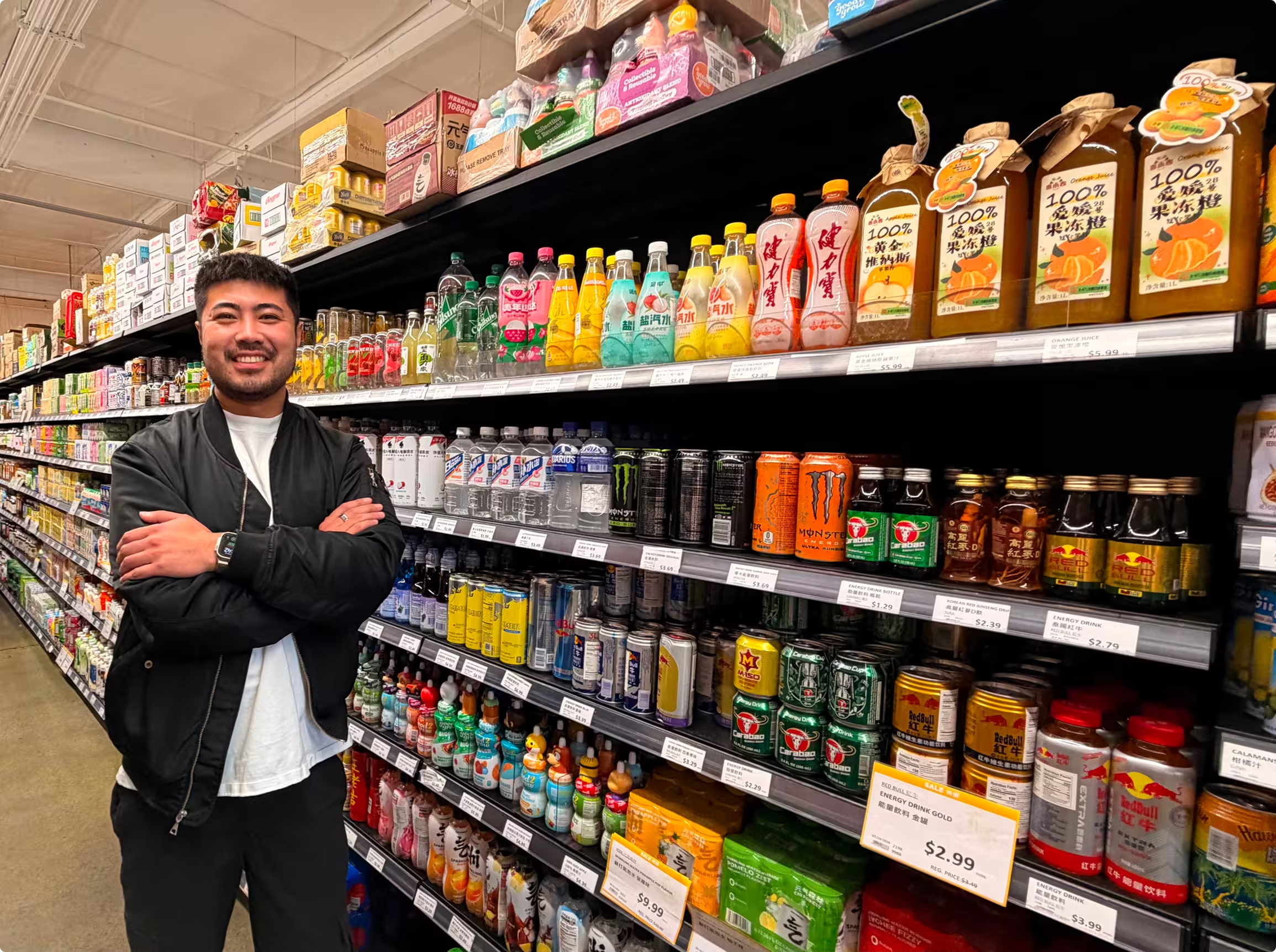
Asian Family Market was built by keeping the hard-to-find item on the shelf for the one customer who asks for it. That kind of care is hard to scale on systems designed for chains with dealers and IT departments. Vori gives AFM the tools to carry that promise across every store and keep growing, without a million-dollar implementation to get there.
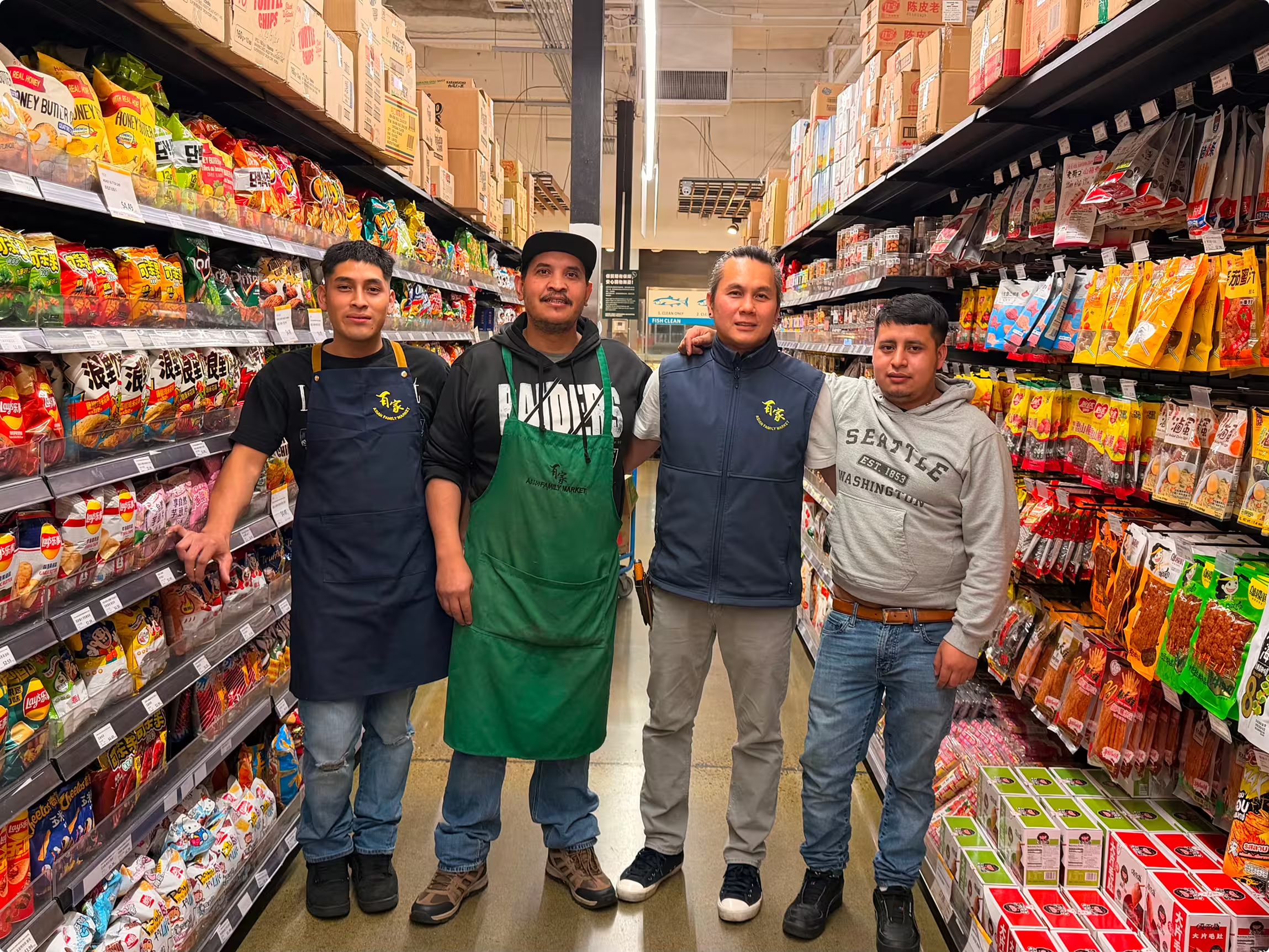
"There's nothing comparable to Vori out there. If you're an independent grocer looking for new tools, everything you could think of is right there."
About Asian Family Market
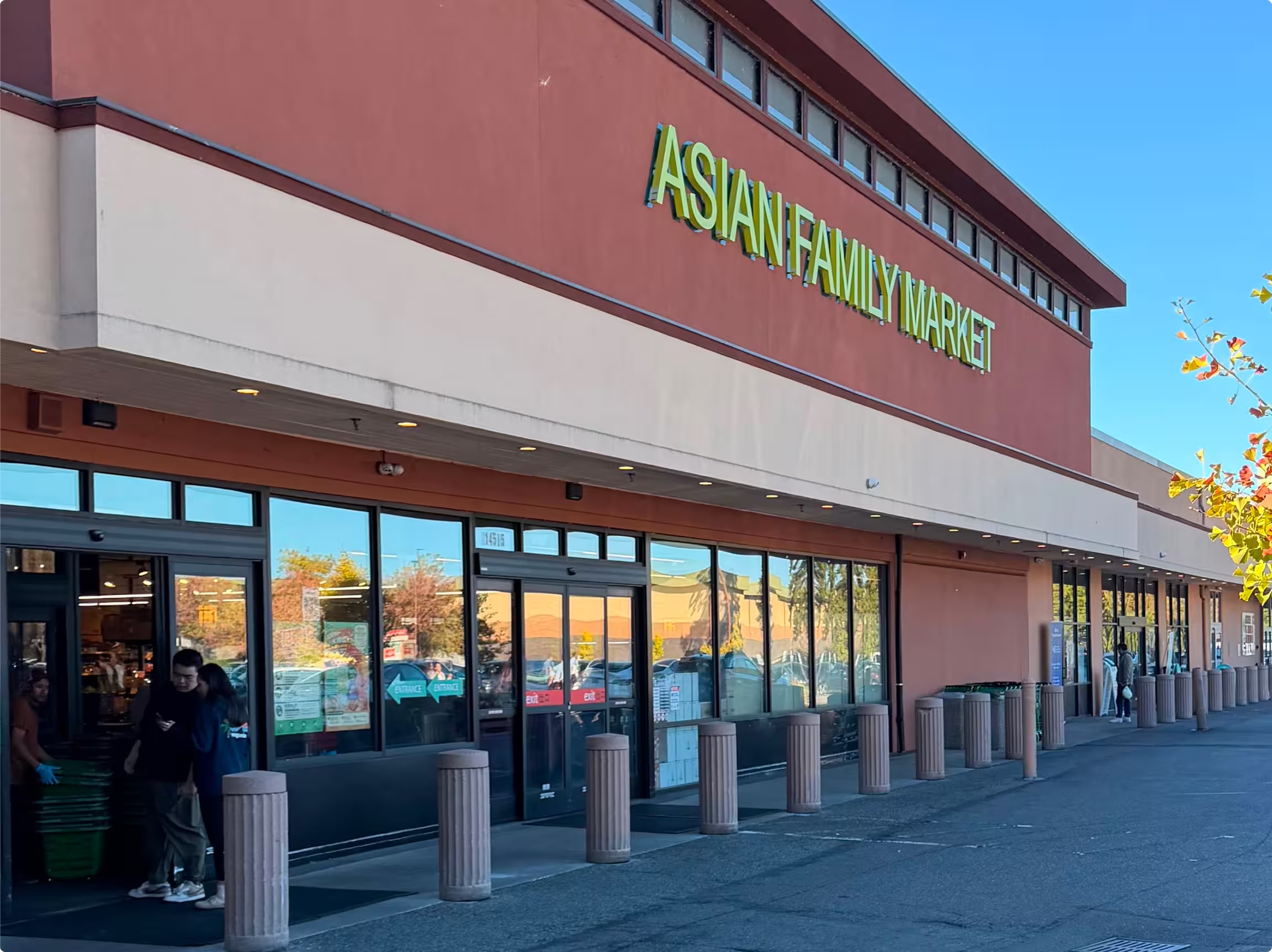
Since 2007, Asian Family Market has grown from one Bellevue store into a leading Asian grocery destination in the Pacific Northwest, with locations in Tukwila, Seattle, Bellevue, and Beaverton. AFM is committed to authentic products, fresh ingredients, and community connection, serving every neighborhood like family.
Visit Asian Family Market - Bellevue
📍 14515 NE 20th St, Bellevue, WA 98007
🕗 9AM - 10PM
Visit Asian Family Market - Tukwila
📍 17501 Southcenter Pkwy #100, Tukwila, WA 98188
🕗 9AM - 10PM
Visit Asian Family Market - Beaverton
📍 3849 SW 117th Ave, Beaverton, OR 97005
🕗 9AM - 9PM
Visit Asian Family Market - Seattle
📍 13200 Aurora Ave N Ste A, Seattle, WA 98133
🕗 9AM - 10PM